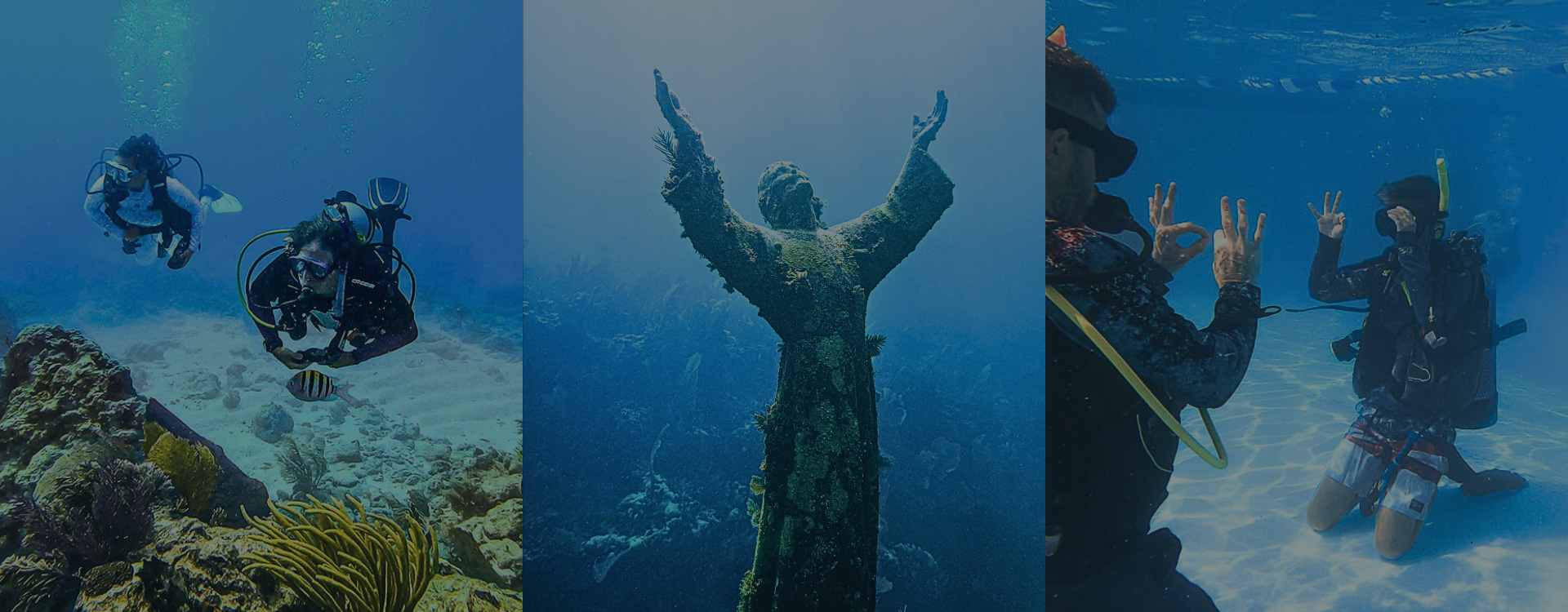
Diving Key Largo
A destination-level overview of Key Largo scuba diving, the reef system, and why this region is a world-class dive hub.
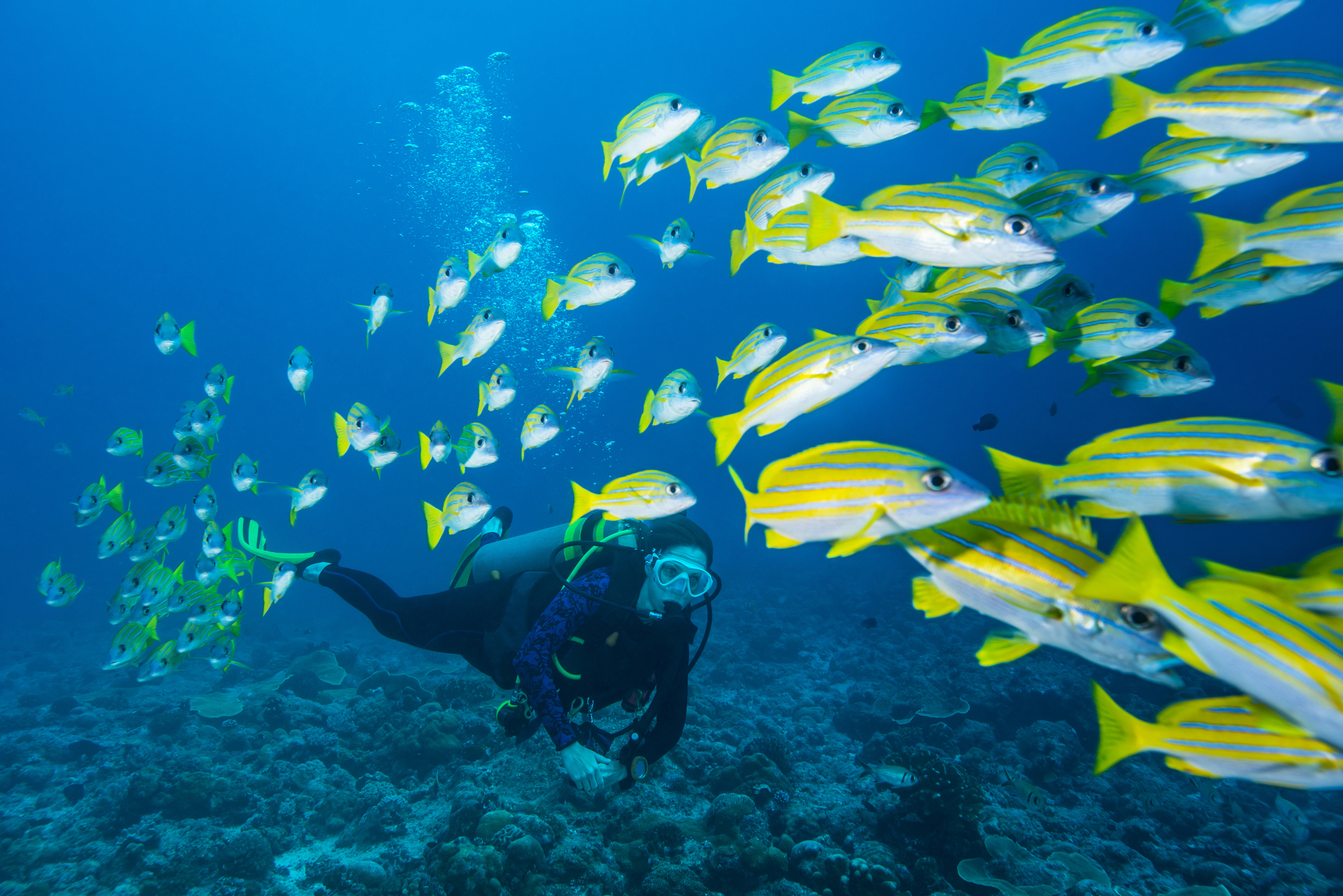
This is the institutional dive planning hub for Key Largo Scuba Diving. Use it to understand dive types, conditions, logistics, and the real on-the-water experience before selecting your trip.
We built this page for divers who want authoritative guidance on Key Largo dive trips, reef and wreck options, and how to plan the right experience in the Florida Keys.
A fast, scannable briefing for divers who want the key facts about Key Largo diving before diving into the guide library.
Access to the Florida Keys National Marine Sanctuary, shallow coral reefs, and iconic wrecks makes this the most established dive hub in the Keys.
Reef dives are shallow and beginner-friendly. Wreck dives are deeper, more technical, and attract advanced divers seeking historic sites.
Vacation divers, families, photographers, and advanced wreck divers all find trips tailored to their goals.
Key Largo dives run every month of the year. Water temperature and sea state shift seasonally, but diving remains reliable.
This guide center organizes trip types, conditions, logistics, and skill-level guidance in one authoritative planning resource.
Foundational guides that explain what diving in Key Largo is like, how trips are structured, and how to choose the right experience for your group.
A destination-level overview of Key Largo scuba diving, the reef system, and why this region is a world-class dive hub.
Trip flow, boat rhythm, and the on-the-water experience so you know exactly how a typical day is structured.
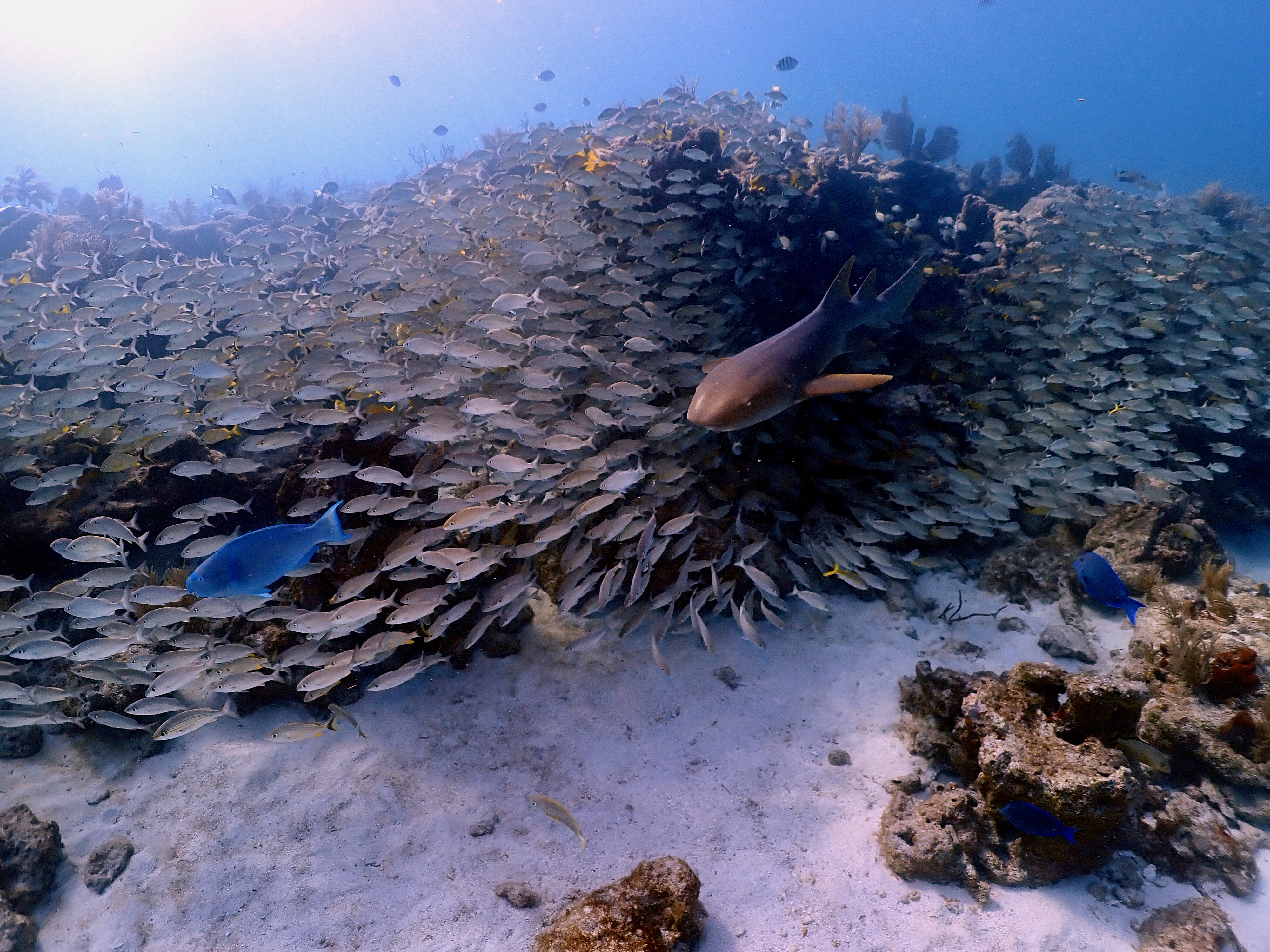
A clear decision guide comparing reef and wreck dive experiences, skill needs, and the best fit for each diver.
Dedicated guides for the two core dive experiences that make Key Largo famous.
.jpg&w=3840&q=80)
Shallow coral gardens, photogenic marine life, and relaxed conditions ideal for most divers.
Historic wrecks, deeper profiles, and the iconic sites that draw experienced divers to the Upper Keys.
Plan with confidence by understanding seasonal water temperature, weather patterns, and visibility trends.
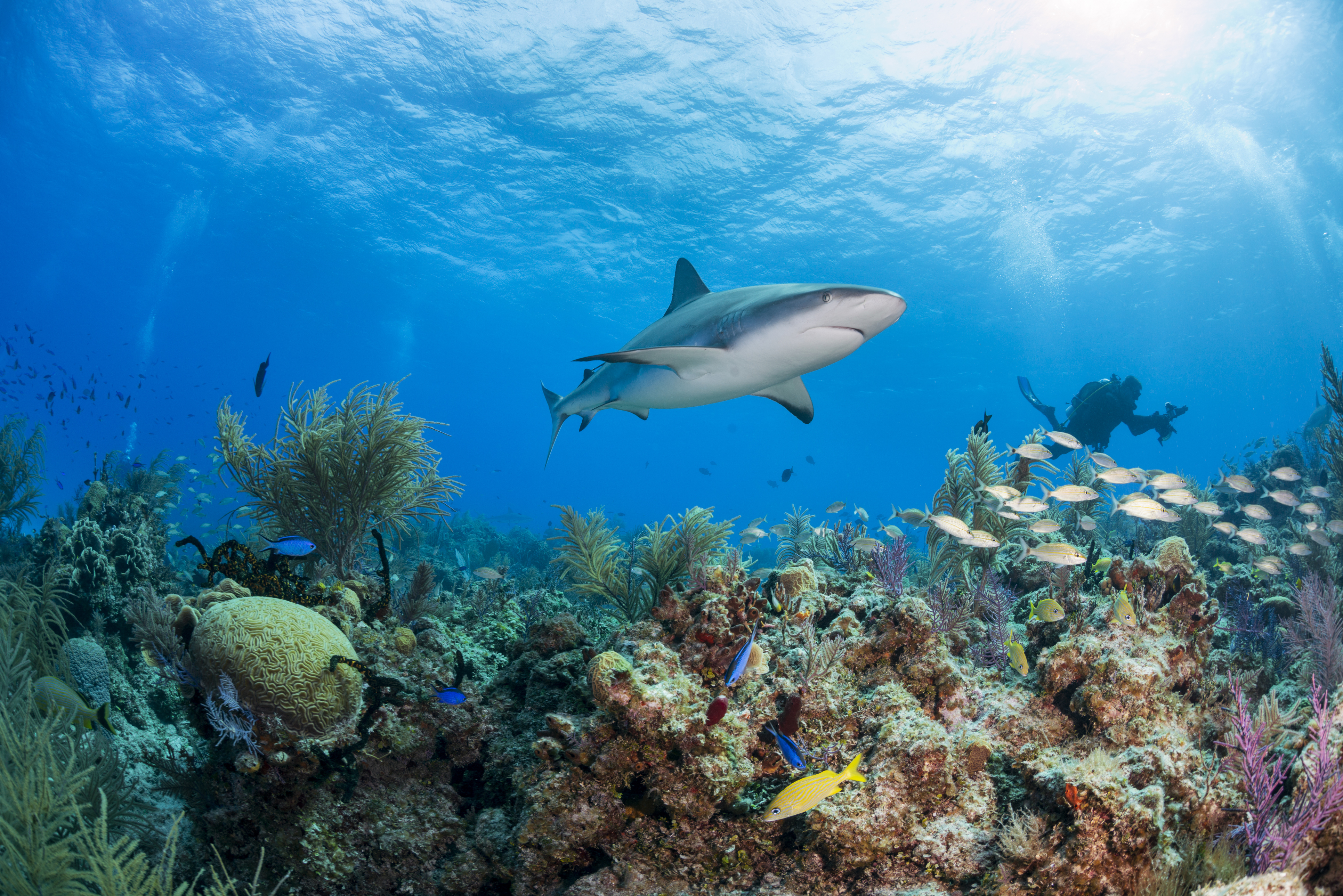
Seasonal guidance for divers who want the best balance of visibility, comfort, and sea state.
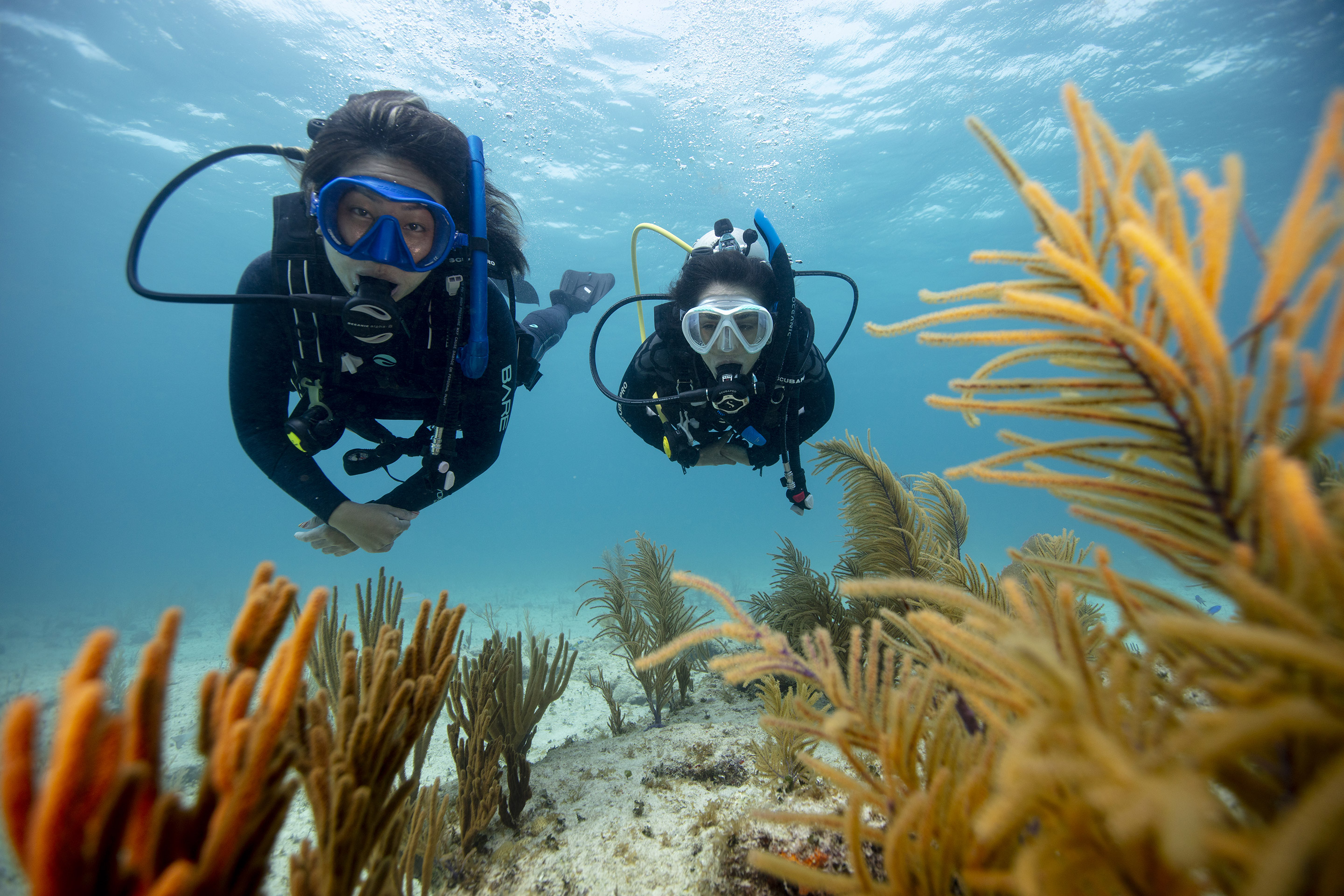
A month-by-month breakdown of water temps with practical wetsuit recommendations.
Wind, sea state, and visibility realities that influence trip planning and site selection.
Everything you need to plan the trip itself—travel timing, lodging, and logistics.

Airport options, drive times, and travel planning tips for divers coming to the Upper Keys.

Lodging guidance based on marina access, trip timing, and diver-friendly amenities.
Guides tailored to divers at different experience levels so you can choose the right trip type.
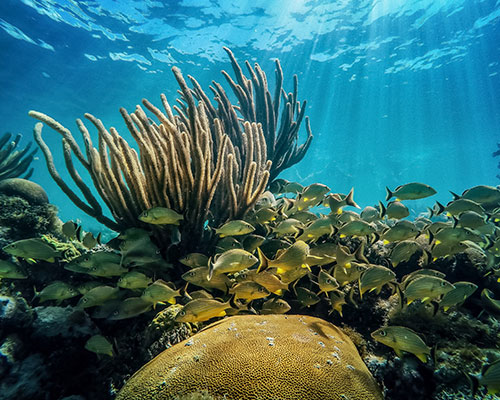
Where to start, what to expect, and which trips are most comfortable for new divers.

Deeper wreck profiles, stronger conditions, and the best way to maximize advanced certifications.
Key Largo scuba diving is defined by quick access to the Florida Keys National Marine Sanctuary, a mix of shallow reefs and world-famous wrecks, and operators that run daily, year-round dive trips. This is not a remote destination—Key Largo is organized, professional, and built around marine operations.
Reef systems like Molasses Reef and French Reef deliver color, fish density, and easy navigation for beginners and photographers. Wreck systems like the Spiegel Grove and Duane deliver deeper profiles, structure, and a more advanced experience for divers who want big-structure dives.
The overall experience is accessible yet serious. Divers can plan relaxed reef dives, technical-leaning wreck itineraries, or a mixed itinerary that balances both. This hub helps you decide which path fits your skill level, comfort, and travel goals.
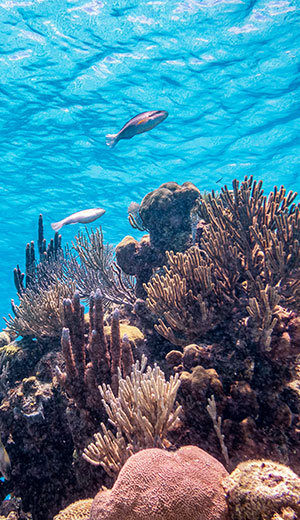
Coral gardens like Molasses Reef define the Upper Keys dive scene.
Short rides from marina to reef line make trip planning efficient.
Dedicated wreck photography and visuals can be layered in here.
Shallow coral gardens with consistent marine life, ideal for new divers and photographers.
Deep, iconic shipwrecks that require stronger skills and reward advanced divers.
Short boat rides, daily departures, and a reliable infrastructure built around diving.
Key Largo dive trips run on a predictable rhythm. Knowing the flow ahead of time helps you choose the right charter, pack the correct gear, and set realistic expectations for the day.
Arrive early, complete waivers, and stage your equipment. Crews verify certifications and confirm dive profiles before departure.
Trips typically depart in the morning with a briefing on the ride out. Captains choose sites based on wind, visibility, and group skill mix.
Most Key Largo dive trips are two-tank charters. Expect a surface interval, hydration break, and site change between dives.
Many trips are self-guided for certified divers, but private guides are available. Ask ahead if you want a dedicated professional in-water.
Boats return to the dock after the second dive. Crews assist with rinse-downs, log notes, and next-step recommendations.
Use this comparison module to decide which experience aligns with your comfort level and goals. Many divers combine one reef and one wreck trip to get the full Key Largo experience.
| Category | Reef Diving | Wreck Diving |
|---|---|---|
| Typical depth | 20–40 ft | 70–130+ ft |
| Skill level | Beginner to intermediate | Intermediate to advanced |
| Marine life focus | Coral gardens, reef fish | Large pelagics, structure dwellers |
| Navigation complexity | Straightforward | More complex |
| Photography appeal | Macro, vibrant color | Wide-angle wreck scenes |
| Ideal traveler | New divers, families | Experienced divers |
Best for new divers, families, and anyone prioritizing visibility, coral coverage, and relaxed navigation.
Best for advanced divers who want deeper profiles, shipwreck structure, and dramatic underwater scenery.
Key Largo diving runs year-round, but the day-to-day experience depends on wind and sea state. Water temperature changes gradually through the seasons, while visibility and surface conditions can shift quickly based on weather.
Winter brings cooler water and often excellent visibility. Summer delivers warm water and generally calmer seas, with afternoon storms as the main variable. The best planning strategy is to choose the season that fits your comfort and then prioritize morning departures.
Low 70s in winter, mid-80s in late summer. A light wetsuit is optional in winter months.
Visibility is strongest on calm mornings and after fronts pass. It varies more with wind than with temperature.
Wave action is the primary reason a site changes. Captains choose the safest reef or wreck for the day.
Key Largo is a diving destination in every month. Plan around your comfort level and trip flexibility.
This guide hub is designed to help divers plan smarter trips, choose the right dive type, and understand the realities of diving in Key Largo before booking.
Compare reef and wreck experiences before selecting a trip.
Understand seasonal conditions, water temperature, and visibility trends.
Prepare for check-in, boat flow, and gear expectations.
Match trip difficulty to your certification level and comfort.
Plan travel logistics, lodging, and timing with local insight.
Use trusted internal links to move into dive trip booking when ready.
Use the commercial trip pages below when you’re ready to move from planning into booking. They are organized by reef trips, wreck trips, and full trip comparisons.
Clear, concise answers to the most common planning questions about Key Largo diving.
Key Largo offers the shortest boat rides to the reef line, a concentration of iconic wrecks, and consistent year-round operations. It is the most infrastructure-rich dive destination in the Florida Keys.
Yes. Key Largo reef dives are shallow and calm on most days, with professional crews that guide new divers. Morning trips provide the most reliable surface conditions.
Reef dives are shallower with easier navigation and abundant marine life. Wreck dives are deeper, more advanced, and focused on historic shipwrecks like the Spiegel Grove or Duane.
Most charters run two-tank trips, meaning two separate dives with a surface interval between them. Trip length is typically four to five hours.
Key Largo is a year-round dive destination. Winter offers cooler water and clear visibility, while summer brings warmer water and calmer seas. The best time depends on comfort with water temperature and travel timing.
Water temps typically range from the low 70s in winter to the mid-80s in late summer. A light wetsuit is optional in winter and often unnecessary in summer.
Many wreck dives are deeper and best for advanced-certified divers. Some operators offer mooring lines and guides, but you should confirm depth and requirements before booking.
Most reef sites are 20–45 minutes from the marinas. Major wrecks can take longer depending on conditions, but Key Largo has some of the shortest ride times in the Keys.
Visibility is generally good but varies with wind and sea state. Calm mornings and stable weather systems produce the clearest water.
Most operators expect certified divers to be comfortable diving as buddy teams. If you want a guide, ask in advance or book a private charter with a dive professional.
Key Largo is one of the world’s most iconic dive destinations. This guide hub is the starting point for serious trip planning, whether you want shallow reef dives, advanced wrecks, or a balanced itinerary. Use the guide categories above, then move into the trip pages when you’re ready to dive.
Start with Key Largo Dive Trips