Best Time of Year to Dive Key Largo
Key Largo offers year-round scuba diving because of warm water temperatures and a subtropical climate. Unlike destinations with short seasons, the Florida Keys can be dived throughout the entire year.
Different seasons bring different conditions—calmer seas, warmer water, lighter crowds, and shifts in marine life activity. This guide explains how to choose the best time for your dive trip.
Quick Seasonal Overview
Key Largo is a year-round dive destination, but each season brings different water temperatures, sea conditions, and travel patterns. Use this overview to compare the tradeoffs at a glance.
| Season | Water Temperature | Typical Conditions | Best For |
|---|---|---|---|
| Winter (Dec–Feb) | Mid-70s °F | Cooler water, variable wind fronts, excellent visibility after calm periods. | Fewer crowds, clear water, experienced divers who want quiet charters. |
| Spring (Mar–May) | Upper 70s °F | Warming water, improving seas, strong visibility, high demand. | Balanced conditions, spring break travel, strong reef activity. |
| Summer (Jun–Aug) | Low-to-mid 80s °F | Warmest water, generally calm seas, peak tourism volume. | Longer dive days, minimal exposure protection, multi-tank trips. |
| Fall (Sep–Nov) | Upper 70s to low 80s °F | Warm water, lighter crowds, stable conditions between weather systems. | Comfortable water, quieter travel, strong reef diving when weather is calm. |
Winter Diving (December – February)
Winter brings cooler water temperatures and occasional wind fronts, but it also delivers fewer crowds and often excellent reef visibility after stable weather.
Spring Diving (March – May)
Spring is widely considered one of the best times to dive Key Largo because water temperatures rise, seas settle, and marine life activity increases.
Summer Diving (June – August)
Summer delivers the warmest water temperatures and generally calm seas, making it ideal for extended dive days and multi-tank trips.
Fall Diving (September – November)
Fall keeps the warm water of summer while reducing crowd levels, offering excellent conditions when weather is stable.
Water Temperatures in Key Largo
Water temperature is one of the biggest factors in trip comfort. Key Largo stays warm year-round, but seasonal shifts influence exposure protection and dive planning.
Monthly average water temperature
2024 vs 2025 monthly averages
Monthly averages shown as historical sea temperature norms for Key Largo.
Winter
Typical range: Mid-70s °F
Most divers wear 3–5mm wetsuits.
Spring
Typical range: Upper 70s °F
3mm suits are common, with flexibility for comfort.
Summer
Typical range: Low-to-mid 80s °F
3mm wetsuits or minimal exposure protection.
Fall
Typical range: Upper 70s to low 80s °F
3mm suits with layering options.
Visibility and Ocean Conditions
Visibility in Key Largo is driven by wind, recent weather, and water movement along the reef tract. Calm weather produces the clearest water, while stronger winds can reduce visibility and increase surface chop.
Seasonal conditions snapshot
Winter
Calm seas / VisibilityWind fronts can add chop, but calm windows are very clear.
Spring
Calm seas / VisibilityImproving seas with reliable visibility.
Summer
Calm seas / VisibilityCalmest seas of the year with strong reef visibility.
Fall
Calm seas / VisibilityWarm water and good visibility between weather systems.
Ratings are comparative indicators for planning. Daily conditions still vary by weather.
Typical visibility range
Visibility often ranges between 40 and 80 feet depending on conditions. Some days exceed this range after stable weather, while storm systems can lower visibility.
Weather impact
Wind is the primary variable that affects surface conditions. Operators adjust site selection to prioritize safe entries and the clearest water for the day.
Marine Life Throughout the Year
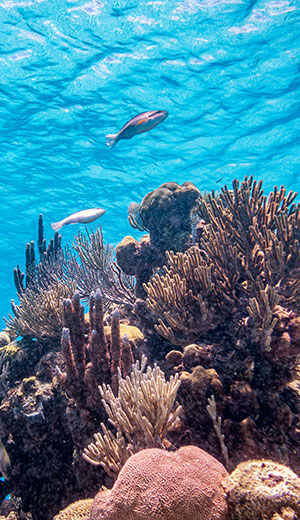
Marine life is present year-round in Key Largo. Seasonal changes influence activity and behavior, but the reef system consistently delivers healthy fish populations and recurring sightings.
Reef fish and tropical species
Grouper and snapper
Barracuda
Moray eels
Sea turtles
Spiny lobster
Seasonal schooling fish activity
When Should You Plan Your Dive Trip?
Diving is possible year-round, but different months serve different priorities. Use these planning cues to align your trip with your preferred water temperature, crowd level, and dive style.
Best time for calm seas
Late spring through summer typically offers the calmest sea state and most reliable departures.
Best time for warm water
June through September delivers the warmest temperatures and minimal exposure protection.
Best time for fewer crowds
Winter and fall shoulder seasons provide quieter boats and easier scheduling.
Best time for reef diving
Spring and summer bring strong visibility and active reef conditions with longer bottom times.
Best time for wreck diving
Calm summer days provide the best access to deep wrecks with manageable surface conditions.
Planning Your Dive Trip
The best dive season depends on weather patterns, water temperature preferences, crowd levels, and travel schedules. Use these guides to build a complete plan before booking.
What to Expect on a Key Largo Dive Trip
Trip flow, depth profiles, and on-the-water logistics.
Read guideKey Largo Water Temperature by Month
Monthly temperature ranges with exposure suit guidance.
Read guideReef Diving vs Wreck Diving
Depth, difficulty, and marine life differences between the two trip types.
Read guideBest Time to Dive Key Largo FAQs
Answers to the most common seasonal planning questions from visiting divers.
Is there a best season to dive Key Largo?
Key Largo is a year-round dive destination. Spring and summer bring warmer water and calmer seas, while winter and fall deliver fewer crowds and clear visibility windows.
What is the warmest time of year to dive Key Largo?
Summer, particularly June through September, offers the warmest water temperatures in the low-to-mid 80s °F.
When are the calmest seas in Key Largo?
Late spring and summer typically provide the calmest sea conditions and the most consistent departures.
Does winter diving in Key Largo have good visibility?
Yes. Calm winter days often deliver excellent visibility, although wind fronts can occasionally create rougher surface conditions.
Is fall a good time to dive Key Largo?
Yes. Fall keeps warm water temperatures with fewer crowds, and stable weather windows can deliver excellent diving.
What water temperatures should I expect?
Winter averages the mid-70s °F, spring the upper 70s °F, summer the low-to-mid 80s °F, and fall the upper 70s to low 80s °F.
How does season affect wreck diving?
Calm summer weather provides the easiest access to deeper wrecks. Winter fronts can make wreck schedules more variable.
Are crowds heavier in summer?
Yes. Summer is peak tourism season, so boats and accommodations book earlier than shoulder seasons.
Can you dive Key Largo year-round?
Yes. Operators run year-round trips, adjusting site selection for weather and sea state.
When should I book multi-tank trips?
Summer and calm spring periods are ideal for extended dive days, but multi-tank trips can run year-round when conditions allow.
Plan Your Key Largo Dive Trip
Key Largo Scuba Diving runs reef and wreck charters year-round. Compare trip options below and choose the season that matches your water temperature and crowd preferences.
Written by
Key Largo Scuba Diving Staff — Professional dive operators with years of experience planning seasonal dive schedules and guiding trips across the Florida Keys. Our team runs reef and wreck charters daily and monitors seasonal weather patterns for safe operations.
Last updated: March 28, 2026