Diving Key Largo: The Complete Guide to Scuba Diving in the Florida Keys
Key Largo is one of the most famous scuba diving destinations in the United States and the Florida Keys. Divers come for shallow coral reef systems, large artificial wrecks, diverse marine life, and easy boat access to world-class sites.
This guide explains what diving in Key Largo is like, how trips operate, and which dive experiences fit different skill levels.
Key Largo Diving Summary
A structured overview of the Key Largo dive environment, built for quick scanning and schema-ready summaries.
Shallow reef systems
Sunlit coral gardens between Carysfort and Alligator Reef create long, relaxed dives.
Iconic deep wrecks
Large artificial wrecks like Spiegel Grove and USS Duane deliver advanced profiles.
Year-round access
Reliable departures, warm water, and short boat rides keep diving possible all year.
Why Key Largo Is Famous for Diving
Key Largo became a premier dive destination because it pairs the Florida Reef Tract with easy access to large wrecks, warm water, and protected marine areas. This combination is rare in North America and creates a dependable, diverse dive environment.
Florida Reef Tract access
The Florida Keys sit along the Florida Reef Tract, one of the largest coral reef systems in the United States.
Shallow reefs + deep wrecks
Key Largo offers quick boat access to shallow coral reefs and large artificial wrecks on the same coastline.
Protected marine areas
Sanctuary protections, warm water, and year-round operations support healthy marine ecosystems.
Types of Diving in Key Largo
Key Largo offers two primary dive experiences: reef diving and wreck diving. Each one delivers a different depth profile, skill requirement, and marine life encounter.
Reef diving
Shallow coral reefs with high biodiversity, longer bottom times, and relaxed profiles suitable for most divers.
Wreck diving
Deep artificial shipwrecks with stronger currents, shorter bottom times, and advanced dive planning.
Reef Diving in Key Largo
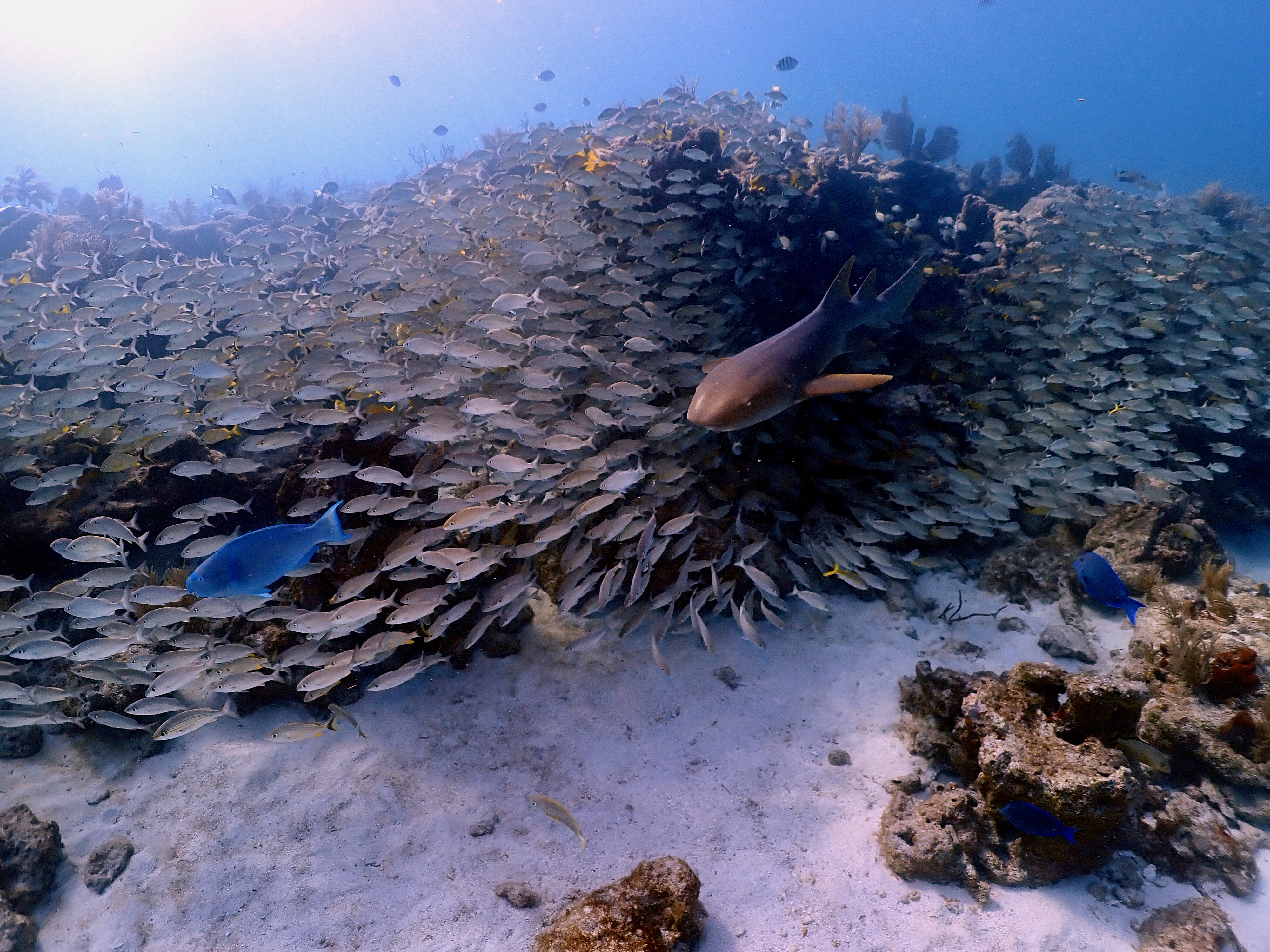
Key Largo reef dives typically run between 15 and 35 feet, where sunlight powers coral growth and supports dense marine ecosystems. These shallow profiles extend between Carysfort Reef and Alligator Reef in the Upper Keys.
Reef diving is popular because it allows longer bottom times, relaxed profiles, and excellent visibility for photography and marine life observation.
Longer dives
Photography-friendly
High biodiversity
Wreck Diving in Key Largo
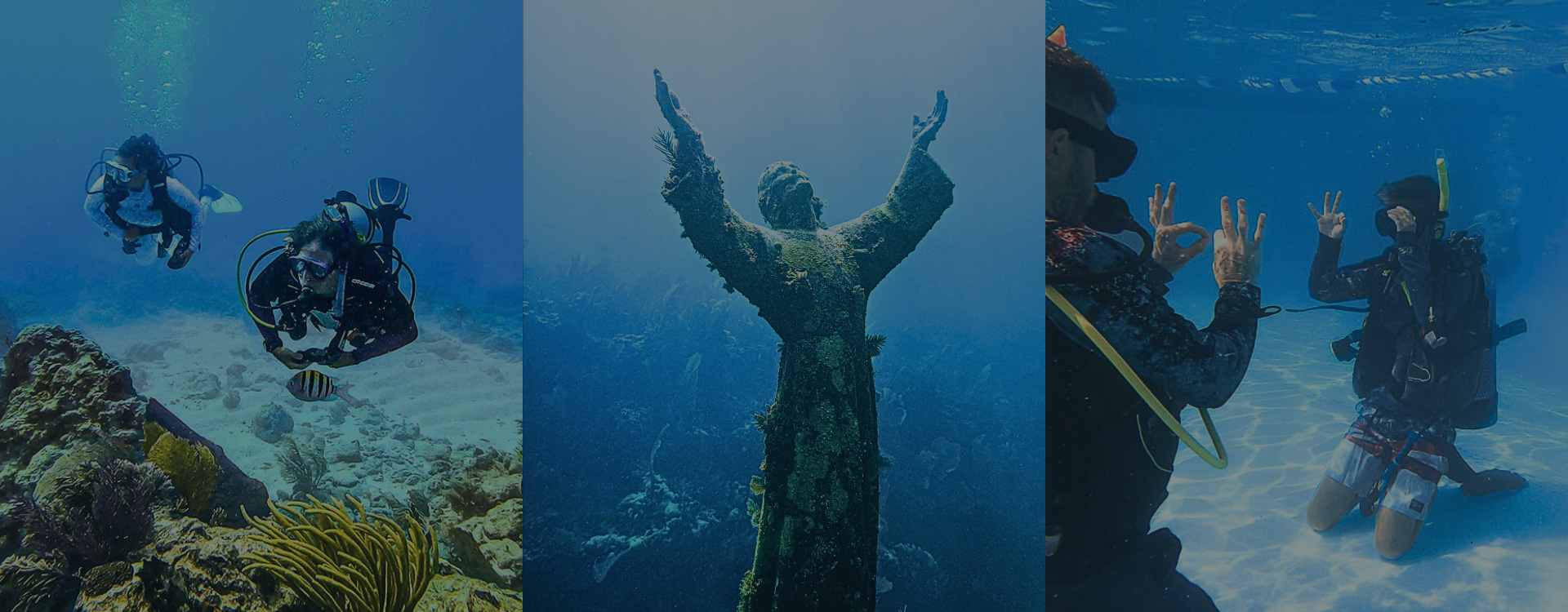
Key Largo is home to intentionally sunk shipwrecks like Spiegel Grove, USS Duane, USS Bibb, and Eagle. These large structures sit in 120–140 feet of water and require deeper, more technical dive profiles.
Average dive depths run between 75 and 110 feet, with shorter bottom times and stronger currents. These dives are generally best for advanced divers.
Deeper profiles
Big structure
Shorter dives
Marine Life in Key Largo
Key Largo offers diverse marine life across coral reefs and wreck structures. Species vary by habitat, currents, and season, but the Upper Keys are known for healthy reef fish populations and larger predators on wreck sites.
Tropical reef fish
Parrotfish
Angelfish
Grouper
Snapper
Barracuda
Moray eels
Spiny lobster
Sea turtles
Nurse sharks
Dive Conditions in Key Largo
Diving is possible year-round, but conditions shift with weather patterns, wind, and sea state. Operators adjust site selection to match the safest, most comfortable conditions for the day.
Water temperatures
Warm for most of the year with cooler winter months. Divers choose exposure protection based on comfort.
Visibility trends
Often strong on calm mornings, with variability tied to wind and sea state.
Seasonal weather
Year-round diving is possible, but fronts and storms can influence site selection.
Current variability
Reef sites are usually manageable; wreck sites can see stronger currents that demand experience.
Typical Dive Trips in Key Largo
Dive operations in Key Largo run on predictable schedules with standardized two-tank trips. Knowing the flow helps divers prepare for timing, gear planning, and surface intervals.
Most operators run two main trips per day with morning departures between 8:00–9:00 AM and afternoon trips between 1:00–2:30 PM.
Standard trips are two-tank dives visiting two different sites with dive times of 35–60 minutes depending on depth.
Some operators offer extended dive days; Key Largo Scuba Diving runs 3-tank and 4-tank trips for longer itineraries.
Who Diving in Key Largo Is Best For
Key Largo serves a wide range of divers, from first-time reef explorers to advanced wreck specialists. These profiles highlight who the destination fits best.
Beginner divers
Shallow reefs provide easy navigation, longer bottom times, and a forgiving learning environment.
Vacation divers
Short boat rides, predictable schedules, and a mix of reef and wreck options suit travel itineraries.
Underwater photographers
Reef dives offer light and color, while wrecks provide dramatic structure for wide-angle shots.
Advanced wreck divers
Deep wrecks deliver challenging profiles, stronger currents, and technical planning.
Marine life enthusiasts
Reef systems host dense fish activity, while wrecks can attract larger pelagic species.
Planning a Dive Trip to Key Largo
Use the dive guide system to plan schedules, seasonal conditions, and trip logistics. These guides cover the details that impact timing, comfort, and exposure protection.
What to Expect on a Key Largo Dive Trip
Understand trip flow, depth profiles, and on-the-water logistics.
Read guideBest Time of Year to Dive Key Largo
Seasonal guidance for visibility, comfort, and sea state planning.
Read guideKey Largo Water Temperature by Month
Monthly temperature ranges with exposure suit guidance.
Read guideKey Largo Diving FAQs
Clear answers to the most common planning questions about diving in Key Largo.
Is Key Largo good for scuba diving?
Yes. Key Largo offers shallow reef systems, large wrecks, and reliable year-round diving with professional operators.
How deep are dives in Key Largo?
Reef dives are typically 15–35 feet, while wreck dives average 75–110 feet with wrecks resting deeper.
Is reef diving or wreck diving better in Key Largo?
Reef diving is better for longer, relaxed profiles. Wreck diving is better for experienced divers seeking deeper structure.
Are Key Largo dives beginner friendly?
Yes. The shallow reef system is ideal for beginners and most operators are set up for new divers.
How long are dive trips in Key Largo?
Most two-tank trips take four to five hours from check-in to return, depending on travel time.
What marine life can you see in Key Largo?
Divers commonly see tropical reef fish, parrotfish, angelfish, grouper, snapper, barracuda, moray eels, spiny lobster, sea turtles, and nurse sharks.
Is diving in Key Largo year-round?
Yes. Diving runs all year, with seasonal shifts in water temperature and weather patterns.
How clear is the water in Key Largo?
Visibility is often strong on calm mornings and varies with wind and sea state.
Are currents strong in Key Largo?
Reef currents are usually manageable, while wreck sites can have stronger currents that require experience.
Can beginners dive the reefs in Key Largo?
Yes. Reef dives are shallow and well-suited to beginner divers when conditions are calm.
Explore Key Largo Dive Trips
Key Largo Scuba Diving runs reef and wreck charters year-round. Compare trip options below to match the right experience to your certification and comfort level.
Written by
Key Largo Scuba Diving Staff — Professional dive operators with decades of combined experience guiding reef and wreck divers throughout the Florida Keys. We run daily trips and maintain updated operational guidance for visiting divers.
Last updated: March 28, 2026