
.jpg&w=3840&q=85)
Key Largo Reef Diving vs Wreck Diving
Key Largo offers two primary types of scuba diving experiences: shallow coral reef dives and deep artificial wreck dives. Both are world-class, but they deliver completely different profiles, depths, and on-the-water expectations.
This guide explains the differences so divers can choose the right trip before booking in the Florida Keys.
Quick Comparison Overview
A direct comparison of reef and wreck diving in Key Largo so you can align depth, duration, and difficulty with your trip goals.
| Category | Reef Diving | Wreck Diving |
|---|---|---|
| Typical depth | 15–35 ft | 75–110 ft average dive depth |
| Dive duration | 45–60 minutes | 25–30 minutes |
| Skill level | Beginner to advanced | Advanced recommended |
| Marine life | Coral reefs and reef fish | Pelagic species and large structures |
| Currents | Variable but often manageable | Often stronger |
| Photography | Wide angle and macro | Wreck structure and schooling fish |
| Trip style | Relaxed exploration | More technical dive planning |
Reef Diving in Key Largo
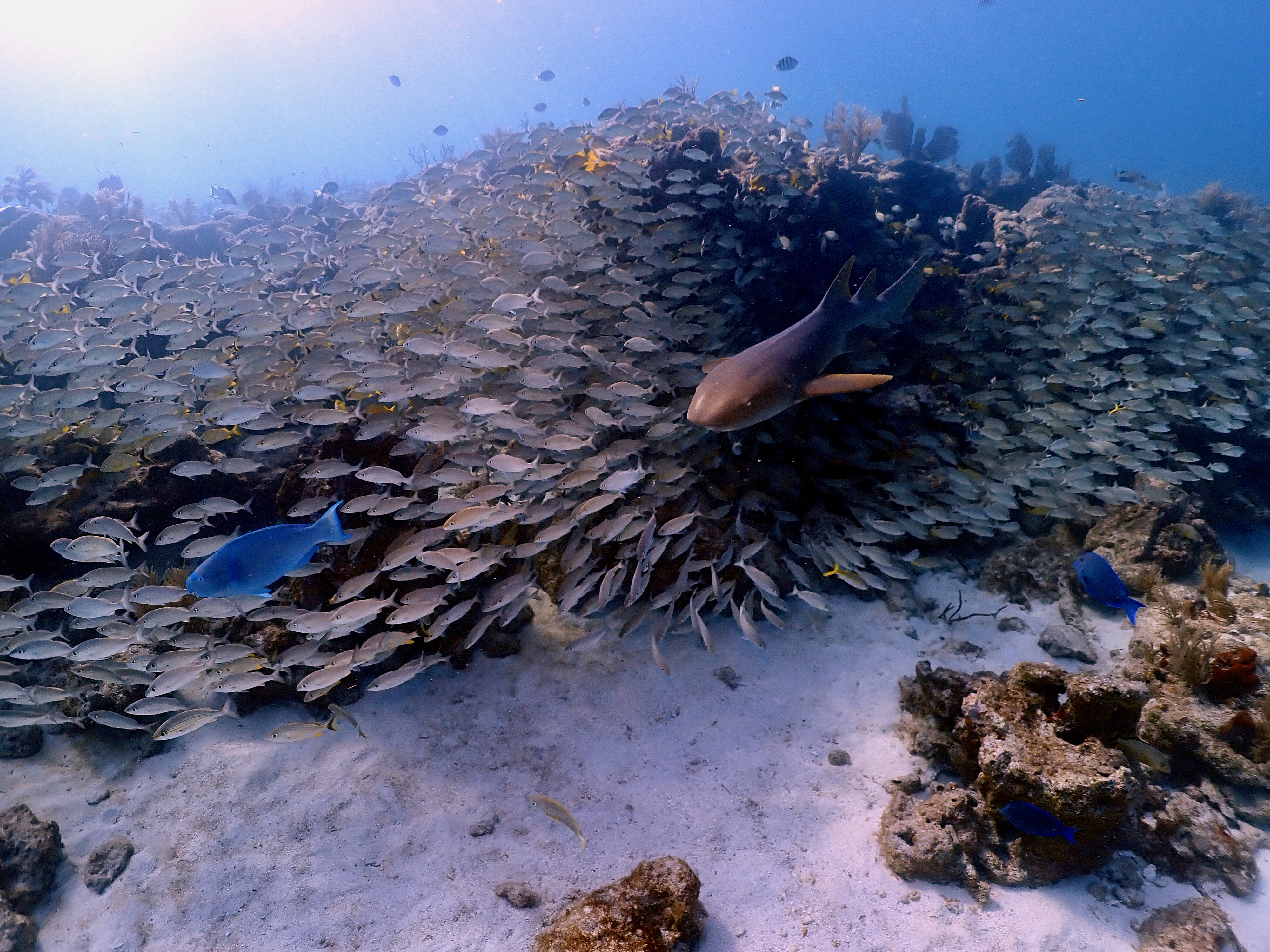
Reef diving in the Upper Keys centers on the shallow reef tract between Carysfort Reef and Alligator Reef. These sites sit in 15–35 feet of water, receive strong sunlight, and support dense coral growth and reef fish populations.
Reef dives allow longer bottom times and relaxed profiles, making them ideal for beginners and underwater photographers.
Longer dives
Photography-friendly
High biodiversity
Wreck Diving in Key Largo
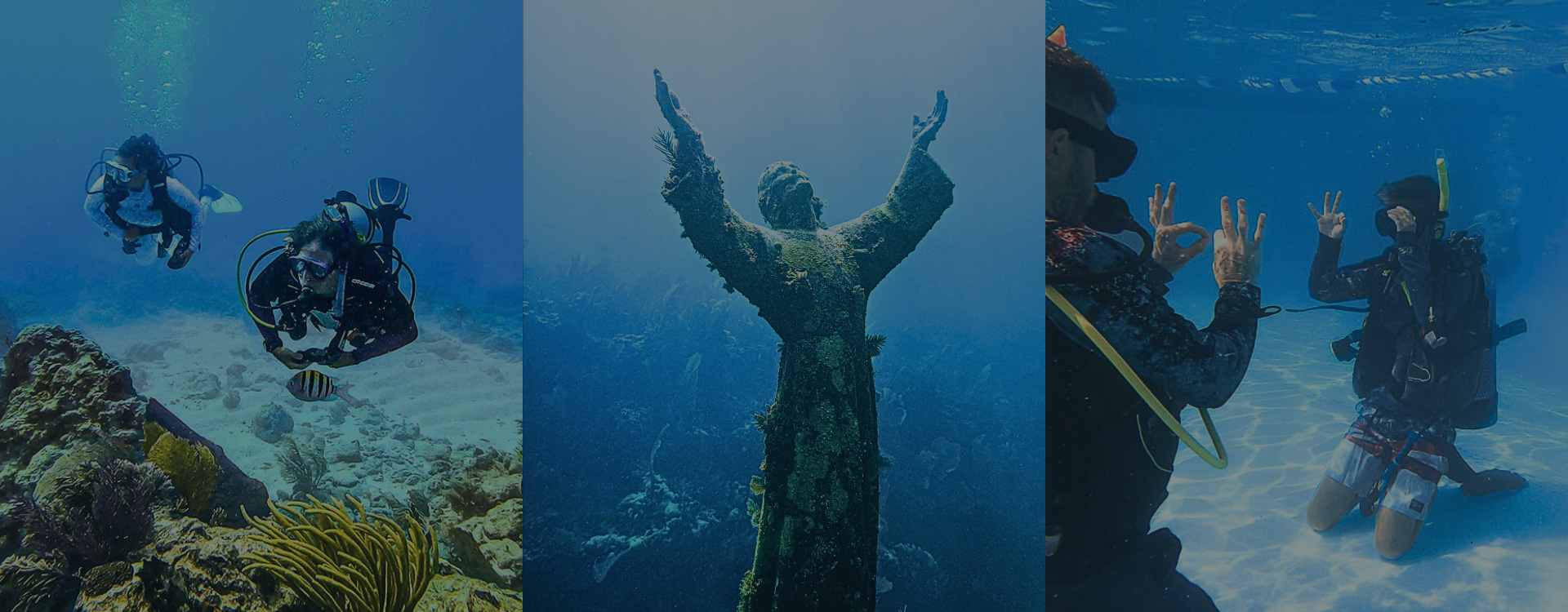
Several large artificial wrecks have been intentionally sunk offshore to create advanced dive sites. Iconic ships like the Spiegel Grove, USS Duane, USS Bibb, and Eagle sit in roughly 120–140 feet of water and deliver deeper, more technical profiles.
Average dive depths run between 75 and 110 feet. Bottom times are shorter because of depth and gas consumption, and currents can be stronger.
Deeper profiles
Big structure
Shorter dives
Shallow Wreck Diving in Key Largo
Not all wreck diving in the Florida Keys is deep. Several shallow wrecks sit within recreational depths and are often combined with reef dives. These sites provide extra structure and marine life while keeping profiles accessible.
Benwood Wreck
Shallow wreck structure often paired with reef sites for a mixed dive experience.
City of Washington
Shallow wreck structure often paired with reef sites for a mixed dive experience.
Mike's Wreck
Shallow wreck structure often paired with reef sites for a mixed dive experience.
Barge near Carysfort Reef
Shallow wreck structure often paired with reef sites for a mixed dive experience.
Depth Profiles and Dive Planning
The Florida Keys depth structure creates two very different dive experiences. Shallow reefs emphasize longer bottom times and coral ecosystems, while deep wrecks emphasize structure, depth planning, and navigation.
Reef dive emphasis
- Longer bottom times and more flexible air management
- Coral ecosystems with high biodiversity
- Stable navigation for relaxed profiles
Wreck dive emphasis
- Large structures with deeper profiles and shorter bottom times
- More demanding gas planning and ascent control
- Currents and navigation that require stronger experience
Which Type of Diving Is Better for You?
Match your dive preferences and experience level with the right trip type. Reef and wreck dives serve different diver profiles, even within the same destination.
Best for beginner divers
Reef diving
Reef diving is ideal because it stays shallow, slower, and more forgiving on air use.
Wreck diving
Wreck diving can be overwhelming for new divers because of depth and current.
Best for underwater photographers
Reef diving
Reef sites deliver light, color, and longer bottom times for macro and wide-angle work.
Wreck diving
Wrecks create dramatic structure, but bottom time is shorter and light is lower.
Best for marine life encounters
Reef diving
Reefs offer the highest biodiversity and consistent reef fish activity.
Wreck diving
Wrecks can attract larger pelagic species, but sightings vary by day.
Best for experienced divers
Reef diving
Reef dives are still valuable for relaxed profiles and photography focus.
Wreck diving
Wreck dives are built for experienced divers who want deep structure and challenge.
Best for adventurous divers
Reef diving
Reef dives provide comfort and flexibility but less technical intensity.
Wreck diving
Wreck dives deliver the most adventurous profiles with deeper planning and current exposure.
Why Key Largo Offers Both Experiences
Key Largo is one of the most versatile dive destinations in North America because it offers shallow reef systems and large wrecks within the same trip radius.
One of the largest shallow reef systems in the United States
Multiple intentionally sunk large wrecks within quick boat rides
Easy access to both dive types from Key Largo marinas
Year-round diving conditions with consistent operator schedules
Key Largo Reef vs Wreck Diving FAQs
Clear answers to the most common reef vs wreck planning questions.
Is reef diving or wreck diving better in Key Largo?
Neither is universally better—it depends on your experience, depth comfort, and the type of dive experience you want.
Are wreck dives in Key Largo deep?
Yes. The major wrecks sit in 120–140 feet of water with average dive depths between 75–110 feet.
Can beginners do wreck dives in Key Largo?
Wreck dives are generally recommended for experienced or advanced divers due to depth and currents.
How deep are Key Largo reef dives?
Most reef dives stay between 15 and 35 feet of depth.
How long do wreck dives usually last?
Most wreck dives last about 25–30 minutes due to depth and air consumption.
Are currents stronger on wreck dives?
Yes. Wreck sites often have stronger currents than reef sites, which affects dive planning.
Are there shallow wrecks in Key Largo?
Yes. Shallow wrecks like the Benwood, City of Washington, and Mike's Wreck are often combined with reef dives.
Can reef dives and wreck dives be done on the same trip?
Some operators schedule mixed itineraries, but most standard trips focus on either reef or wreck profiles.
Compare Key Largo Dive Trip Options
Key Largo Scuba Diving runs reef and wreck trips year-round. Use the commercial trip pages below to compare schedules, depth profiles, and availability.
Written by
Key Largo Scuba Diving Staff — Professional dive operators with decades of combined experience running reef and wreck charters in the Florida Keys. We guide divers daily on both shallow reef systems and deep wreck sites.
Last updated: March 28, 2026