What to Expect on a Key Largo Dive Trip
Key Largo is one of the most famous scuba diving destinations in the United States. Most trips here are boat dives to shallow coral reefs or large offshore wrecks, and the structure of a dive day is different than many other destinations.
This guide explains exactly how Key Largo dive trips operate so you can choose the right experience, prepare for conditions, and understand the real on-the-water flow before you arrive.
Trip Expectations Summary
A quick overview of what makes Key Largo dive days unique, designed for fast trip planning and structured data extraction.
Two-tank boat trips
Most Key Largo dive trips run as two-tank charters with two different sites on one outing.
Reef + wreck access
You can mix shallow coral gardens with deeper wrecks depending on certification and comfort.
Year-round departures
Operators run daily trips year-round with seasonal shifts in water temp and sea state.
How Dive Trips in Key Largo Normally Work
Dive operations in the Florida Keys follow a predictable rhythm. Understanding the schedule, departure windows, and trip structure helps you select the right charter and set expectations for the day.
Morning and afternoon departures
Most operators run two main trips per day, with morning departures between 8:00–9:00 AM and afternoon departures between 1:00–2:30 PM.
Two different dive sites
Standard trips include two separate dives at two different sites. Each dive lasts roughly 35–60 minutes depending on depth and air consumption.
Night dives and private charters
Night dives are offered on select schedules, while private dive charters can be arranged any day of the year for custom itineraries.
Extended dive days
Most operators stick to two-tank trips, but some offer longer or multi-tank days for divers who want more time on the water.
Typical Dive Depths in the Florida Keys
Florida Keys diving has a unique depth profile. There is often relatively little marine growth between roughly 40 and 75 feet because sunlight penetration decreases and reef development changes. The most productive zones are the shallow reef systems and the deeper wreck sites.
15–35 ft
Shallow reef systems
Sunlit coral gardens with the most consistent marine growth, longer bottom times, and relaxed profiles.
40–75 ft
Mid-water gap
Less marine growth appears in this band because sunlight penetration drops and reef structure changes.
120–140 ft
Deep wreck dives
Large artificial wrecks sit deep, with average dive depths between 75–110 ft depending on the wreck structure.
Shallow reef focus
Reef dives prioritize sunlight, coral density, and longer bottom times. These sites are perfect for divers who want relaxed profiles and vibrant marine life.
Deep wreck focus
Wreck dives prioritize big structure and depth. They demand tighter gas planning, faster descents, and shorter dive times.
Shallow Reef Diving in Key Largo
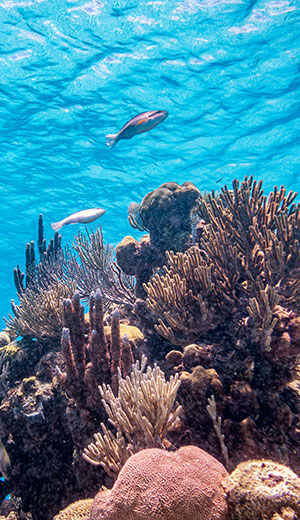
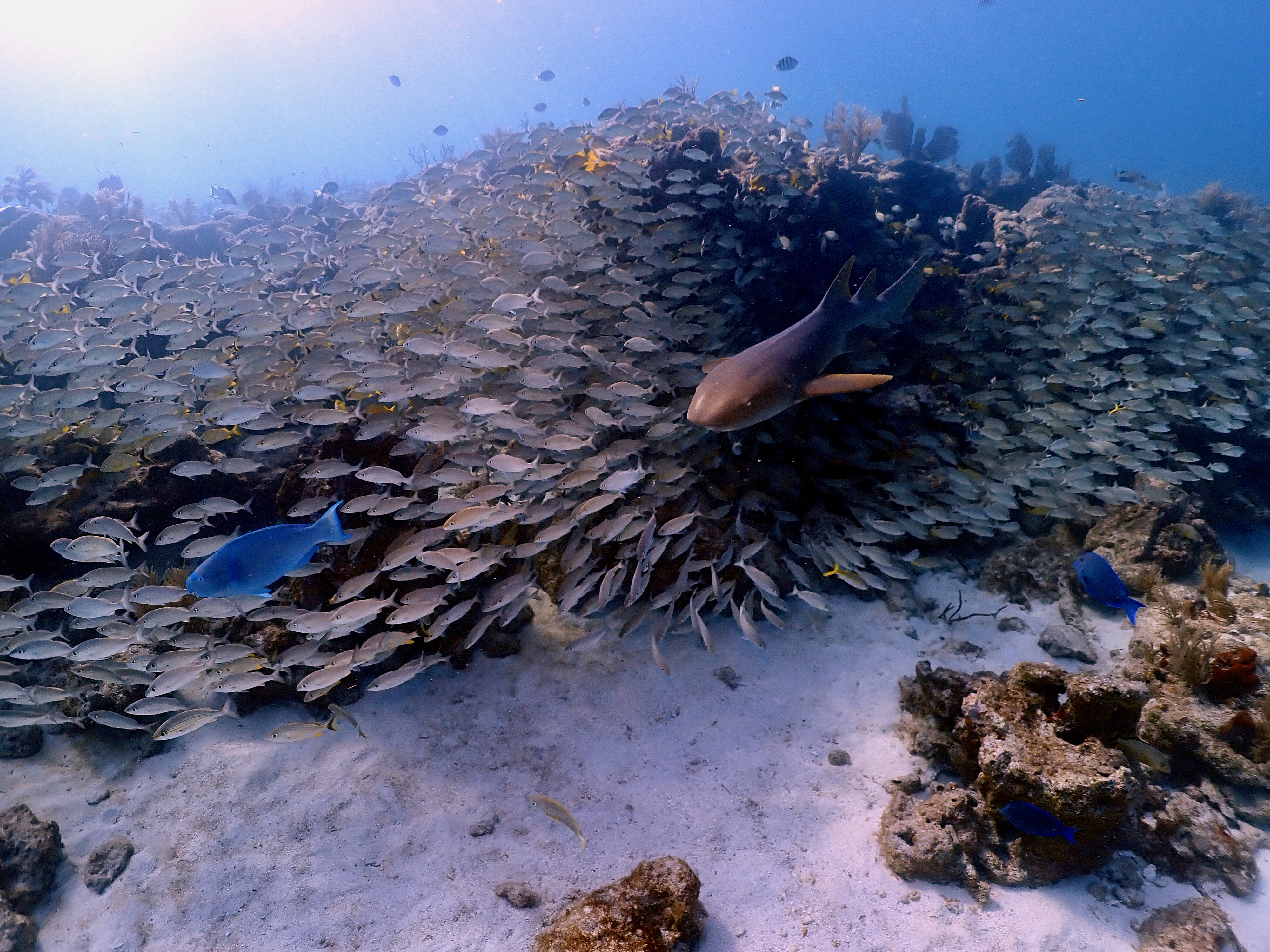
Most Key Largo reef dives occur between 15 and 35 feet, where sunlight drives coral growth and marine life activity. These dives are longer, calmer, and ideal for building confidence or focusing on photography.
Longer dives
Photography-friendly
High biodiversity
Wreck Diving in Key Largo
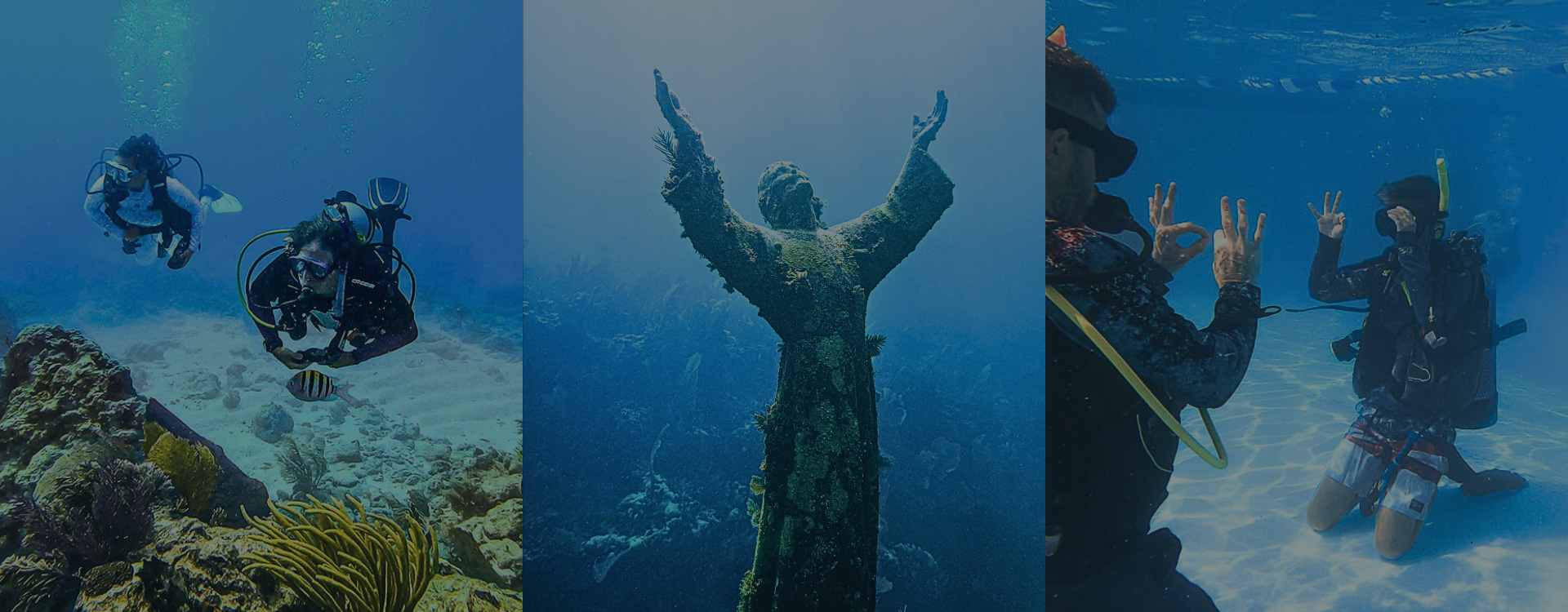
Key Largo wreck dives are deeper, shorter, and more technical than reef dives. Large artificial wrecks sit in approximately 120–140 feet of water, with average dive depths between 75 and 110 feet depending on the structure and mooring line.
Deeper profiles
Big structure
Shorter dives
Wreck Penetration Safety
Many of the large wrecks in the Florida Keys allow exterior exploration without entering the structure. Entering shipwreck interiors can be extremely dangerous without proper wreck training. Divers have died entering wrecks without the proper training or equipment.
Wreck penetration requires:
- Advanced wreck diving training and recent experience
- Specialized gear including lights, reels, and cutting tools
- Redundant gas planning and clear turn-pressure rules
- Proper line procedures and visibility management
Recreational divers should remain outside wreck interiors unless properly trained and equipped. When in doubt, stay on the exterior and follow the briefing instructions.
Typical Dive Trip Timeline
A standard morning charter follows a consistent timeline so divers can plan travel, surface intervals, and post-dive commitments.
7:30 AM
Arrival and check-in
Arrive early for waivers, certification checks, and gear staging.
8:15 AM
Boat departure
Captain briefs the plan, travel time, and safety expectations on the ride out.
9:00 AM
First dive briefing + dive
Site orientation, depth limits, and navigation notes before entering the water.
10:00 AM
Surface interval
Hydration, snacks, and travel to the second site while divers log first dive notes.
11:00 AM
Second dive
Second site dive with adjusted depth or marine life focus.
12:30 PM
Return to dock
Gear rinse, logbooks, and post-trip recommendations before heading out.
Choosing the Right Dive Trip
Reef dives and wreck dives deliver very different experiences. Use these factors to decide which trip fits your certification level, comfort, and goals.
Key decision factors
- Certification level and recent dive experience
- Comfort with depth and current conditions
- Interest in marine life vs. shipwreck structure
- Photography goals and desired bottom time
- Preference for relaxed profiles or advanced challenges
Direct trip comparisons
Reef-focused trips
Best for longer dive times, photography, and relaxed profiles.
View Reef Dive TripsWreck-focused trips
Best for experienced divers seeking deep structure and advanced profiles.
View Wreck Dive TripsWhy Key Largo Is a Unique Dive Destination
Few destinations combine shallow coral reefs, large artificial wrecks, and a reliable year-round dive schedule in the way Key Largo does. It is built for divers who want variety without sacrificing operational reliability.
Rare mix of shallow coral reefs and large artificial wrecks in one destination
Year-round operations with predictable departure schedules
Quick access from mainland Florida and major airports
Diverse marine life, strong visibility, and well-managed reef sites
Trip options for beginners, experienced divers, and mixed-skill groups
Key Largo Dive Trip FAQs
Straight answers to the most common questions divers ask before arriving in Key Largo.
How long are dive trips in Key Largo?
Most two-tank trips run about four to five hours from check-in to return, depending on travel time and surface interval length.
How many dives are typically included in a trip?
Standard trips include two dives at two different sites.
What time do dive boats usually leave?
Morning trips typically depart between 8:00–9:00 AM. Afternoon trips usually leave between 1:00–2:30 PM.
Are Key Largo dives deep?
Reef dives are shallow (15–35 ft). Wreck dives reach deeper profiles with average depths around 75–110 ft.
Is reef diving or wreck diving better for beginners?
Reef dives are better for beginners because they are shallow, longer, and less demanding on air consumption.
How strong are currents in Key Largo?
Currents vary by day. Reef sites are often calmer, while wreck sites can have stronger currents that require experience.
How long do wreck dives usually last?
Wreck dives typically last about 25–30 minutes because of depth and air consumption.
Are drift dives common in the Florida Keys?
Drift dives happen occasionally, but they are not the standard style of diving in Key Largo. They are more common on private charters.
Can beginners dive in Key Largo?
Yes. Key Largo reef dives are ideal for beginners, and most operators are set up to support new divers.
How many dives can you do in one day?
Most divers complete two dives on a standard charter, but some operators offer 3-tank or 4-tank days for extended diving.
Ready to Choose a Key Largo Dive Trip?
Key Largo Scuba Diving runs professional reef and wreck trips year-round. Use the commercial trip pages below to compare schedules, profiles, and options.
Written by
Key Largo Scuba Diving Staff — Professional dive operators who run reef and wreck charters daily from Key Largo. Our team has decades of combined experience managing dive schedules, safety protocols, and trip logistics for divers of all certification levels.
Last updated: March 28, 2026