
Is Scuba Diving Dangerous?
Scuba diving can be dangerous. With proper training many of the dangers associated with scuba diving can be greatly reduced or eliminated. Common risks include decompression sickne…
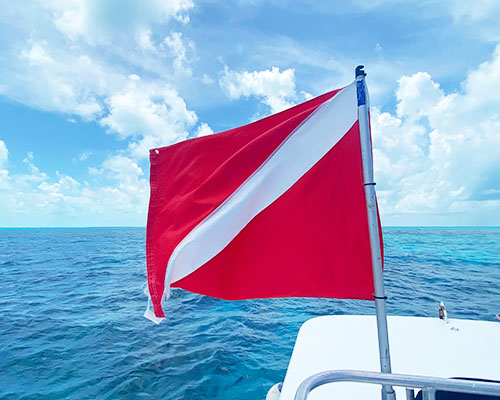
Scuba diving can be dangerous. With proper training many of the dangers associated with scuba diving can be greatly reduced or eliminated. Common risks include decompression sickness (the bends), drowning, arterial air embolism, marine life, and preexisting health conditions. Unfortunately many of the scuba diving accidents are due to diver error. We will explain the most common scuba diving dangers in this article. The best way to lower your risk is to be properly trained. Key Largo Scuba Diving offers daily instruction and certification courses year round.
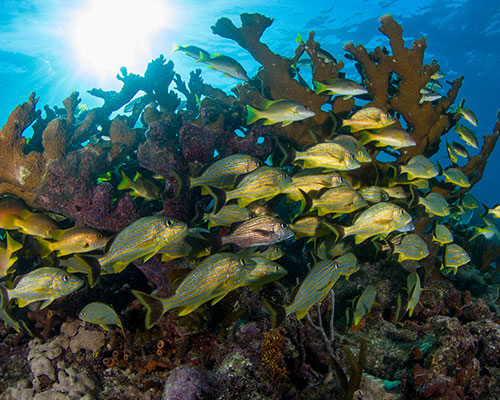
Scuba Diving Is Dangerous Without Proper Training
Scuba diving is dangerous without the proper training. Humans cannot breathe underwater. Therefore once we descend underwater we are completely reliant on our scuba gear and our training. Furthermore divers breathe compressed air from their scuba tanks. The human body absorbs and exhausts compressed air differently than the air breathed on the surface. Divers are required to follow strict ascent rates, bottom time limits, depth limits, and more. Failing to follow these guidelines can result in fatal injuries including decompression sickness (the bends), embolism, or drowning.
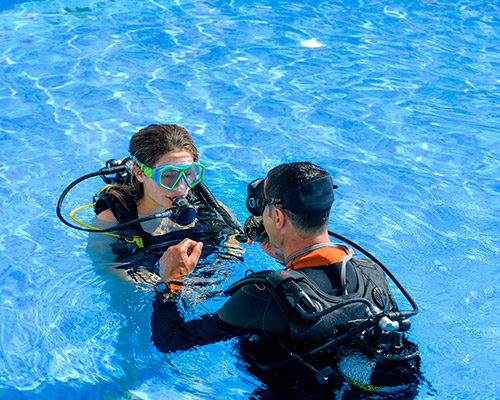
To safely go scuba diving you need to be properly trained an certified by a scuba diving training agency. Divers need to know how to properly inspect and use scuba gear, learn about the potential risks of scuba diving, and learn about how scuba diving effects our body. People interested in scuba diving should check out our Key Largo Scuba Instruction and Certification.
Things that make scuba diving dangerous
Decompression Sickness
One of the most common dangers in scuba diving is decompression sickness. DCS or “the bends” is a result of rapid decompression after being exposed to increased pressure. In severe instances DCS can be deadly and it is important to seek medical treatment immediately.
Scuba divers breathe compressed gas. This gas consists of nitrogen and oxygen. During a dive the tissue in our body soaks up the nitrogen. The absorption rate is relative to the ambient pressure where the gas was inhaled. There are no problems so long as the pressures remain constant. However if there is a rapid reduction in pressure the nitrogen can come out of solution. When this occurs bubbles are formed in the body tissues and bloodstream. These bubbles can travel throughout the body causing pain, numbness, paralysis, lung damage, spinal cord damage, shock, and more.
The most common cause of DCS is rapid ascent or going deeper than you have been trained. You can learn a lot more about the effects of diving on our body and what to do in an emergency in the Rescue Diver Certification Course.
Drowning
Scuba diving takes place in the water therefore drowning is an obvious risk. Drowning is the most common cause of scuba diving deaths. Divers drown due to running out of air, panic, lack of training, unrelated health problems that cause unconsciousness and equipment failure. As you know humans are built to breathe only air. Inhaling water can become deadly very quick.
With proper training panic should be eliminated from the potential causes of drowning.
Scuba divers should never put themselves in a position to run out of air. In the rare event this does occur the buddy system training should mitigate the problem.
Unrelated health problems that surface during a dive due to physical activity or other reasons could result in unconsciousness. An unconscious diver could lose the regulator and inhale water. It is very important to take the medical requirements of scuba diving seriously.
Arterial Air Embolism
An air embolism is when air bubbles enter your veins or arteries and cause a blockage. A blockage in your veins is called a venous air embolism. A blockage in your artery is called an arterial air embolism. Depending on where the blockage occurs the result can be heart attack, stroke, and respiratory failure.
You can get an air embolism during surgery, major trauma, from an IV, and also scuba diving.
While scuba diving it can occur if you hold your breathe underwater too long and if you ascend too quickly. Both of these instances can cause air sacs to rupture in your lungs. When this occurs air can make its way into your arteries causing an arterial air embolism.
Marine Life
There are various types of marine life that are very dangerous to scuba divers. With proper training most can be avoided. Marine life that pose the biggest threat are ones with venom. These accidents usually occur by mistake. A diver may accidentally come into contact and the result can be extremely painful or even deadly. Fish bites are another potential danger. Typically fish are not aggressive towards divers. Most bites are in result to diver behavior.
When talking about marine life and diver dangers we could not leave sharks off the list. While shark attacks on scuba divers are incredibly rare they have happened. When it comes to sharks there’s a few things to understand. Marine biologists are relatively confident that sharks do not look at humans as food. It is believed that most shark attacks occur due to a defensive strike because a shark feels threatened. Where does that threat come from? We like to think it’s because the shark didn’t see you soon enough. In Key Largo, Florida the water has very good visibility. This gives the sharks plenty opportunity to see the diver and all their bubbles and swim away.
Preexisting Health Conditions
There are some medical conditions that prevent you from diving. These conditions should be taken very seriously. Before beginning your scuba diving training you will be required to complete a medical questionnaire. It is important to answer this questionnaire truthfully. Not all conditions prevent you from diving. Some conditions simply require a medical doctor to sign and approve you to dive.
Preexisting health conditions can be greatly exposed underwater due to pressure and physical activity. Ignoring health conditions that pose a danger for scuba divers is one of the most dangerous things you can do. Some pre-existing health conditions still may allow you to go snorkeling. Checkout our Key Largo Snorkeling Trips
Conclusion
Many things we do every single day have risks and potential dangers. Driving a car is for example the most dangerous thing many of us do everyday. With proper driver training and smart decision making these risks are lowered. Scuba diving is no different. There are definitely risks but with proper training you eliminate the potential for many problems. Stay within your comfort zone and within the limits of your training. Always dive with buddy that you are confident with. Stay calm, breathe, and have fun!
Key Largo Scuba Diving is your best way to dive and snorkel the Florida Keys. Our team of local experts are passionate about scuba diving, the Florida Keys, and making sure you have an amazing time in the Florida Keys. We are open late and have local experts standing by to help you build the Florida Keys Dive Vacation of a lifetime. Call us, text us, email us, or message us on web chat. We would love to help!
Related guides
How To Start Scuba Diving?
The first step to becoming a scuba diver is ensuring you have no health conditions that would prevent you from diving. The second step is to decide which scuba diving organization…
Does a PADI certification expire?
[fusion_dropcap color=”var(–awb-color4)” text_color=”” boxed=”no” boxed_radius=”” class=”” id=””]A[/fusion_dropcap]PADI Open Water Scuba Diving certification never expires. Your sc…
What does PADI stand for?
[fusion_dropcap color=”var(–awb-color4)” text_color=”” boxed=”no” boxed_radius=”” class=”” id=””]P[/fusion_dropcap] ADI stands for Professional Association of Diving Instructors, i…